

TL;DR:
- Solar generators are safe to operate indoors because they produce no exhaust gases or carbon monoxide. They operate silently and can be recharged using solar power, making them ideal for emergencies and everyday use. They cost less over time since they have no fuel or maintenance expenses and offer flexible charging options.
A solar generator is a portable power station that pairs solar panels with a rechargeable battery to supply electricity during outages without fuel, fumes, or engine noise. The solar generator emergency charging advantages are real and significant: zero carbon monoxide risk, silent operation, renewable recharging, and the ability to run critical devices for hours or days. Brands like Jackery, Bluetti, and EcoFlow have made these systems practical for everyday families. Unlike gasoline generators, solar generators can operate safely indoors, require no fuel runs during a storm, and deliver power as long as sunlight and stored capacity allow.
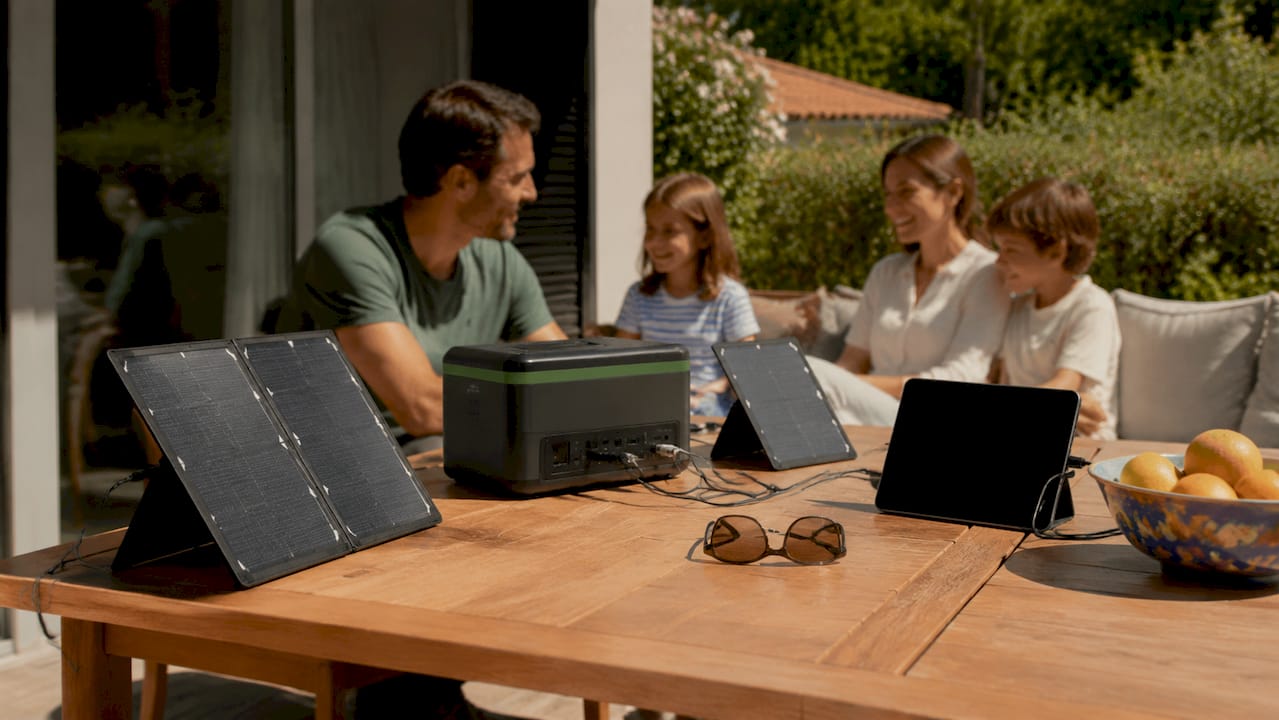
1. Solar generators eliminate carbon monoxide risk entirely
The single most important safety advantage of solar generators is the absence of combustion. Gasoline generators produce carbon monoxide, a colorless, odorless gas that kills quickly in enclosed or semi-enclosed spaces. The U.S. Consumer Product Safety Commission consistently warns that CO poisoning from fuel generators is one of the leading causes of non-fire-related home fatalities during storms and outages.
Solar generators produce no combustion exhaust at all. You can place one in a garage, a bedroom, or a hallway without any ventilation concern. That freedom changes how families plan their emergency setups, because placement is no longer a safety calculation.
- No exhaust fumes or combustion byproducts
- Safe to operate indoors or in attached garages
- No risk of accidental CO poisoning for children, elderly family members, or pets
- No need for extension cords running through windows or doors
Pro Tip: Keep your solar generator fully charged and stored inside your home before a storm hits. You will not need to move it outside or worry about ventilation when the power goes out.
2. Silent operation makes solar generators ideal for sensitive situations
Solar generators operate silently because they use an inverter and battery system with no moving engine parts. A gasoline generator typically produces 65–75 decibels of noise, roughly equivalent to a vacuum cleaner running continuously. That level of noise disrupts sleep, stresses children, and can be a real problem in dense neighborhoods or apartment complexes.
Silent operation also means you are not broadcasting to neighbors that you have power during an outage. That is a practical security consideration many families overlook when comparing emergency power supply options.
3. Renewable recharging means no fuel runs during a disaster
Gasoline becomes scarce fast after a major storm. Gas stations lose power, lines stretch for hours, and supply chains break down. Solar generators sidestep that problem entirely by drawing energy from sunlight. As long as the sun rises, you have a path to more power without leaving your home.
Solar charging acts as a topping-off method rather than a rapid refill, but that steady trickle of renewable energy extends your operational window significantly. A system that might run out of stored power in 24 hours can stretch to 48 or 72 hours with consistent solar input. That difference matters when a regional outage lasts several days.
4. Multiple recharge paths give you flexibility when it counts
Solar generators support more than one way to refill their batteries. Most models accept AC wall power, solar panels, and sometimes car DC ports. Wall and AC charging is 5–10 times faster than solar-only charging, which means you can top off your battery quickly before a predicted storm using your home outlet, then rely on solar panels to maintain capacity during the outage itself.
This hybrid approach is the most reliable emergency charging strategy available. You enter the outage with a full battery, then use solar panels to slow the drain and extend runtime.
- Charge fully via AC wall outlet before the storm arrives
- Connect solar panels as soon as the outage begins
- Prioritize critical devices to reduce total power draw
- Use solar input to maintain battery level between device charges
- Switch to AC recharging immediately when grid power returns
Pro Tip: MPPT technology, which stands for Maximum Power Point Tracking, helps your solar generator extract more energy from panels under changing sunlight conditions. Look for this feature when choosing a model, especially if you live in a region with variable cloud cover.
5. What emergency devices can a solar generator actually power?
Battery capacity determines what you can run and for how long. A system with roughly 5,000Wh of storage can run a standard refrigerator for about 24 hours, which covers most short outages. Smaller systems in the 1,000–2,000Wh range handle lights, phones, laptops, fans, and CPAP machines comfortably.
| Device | Typical Draw | Runtime on 2,000Wh System |
|---|---|---|
| LED lights (4 bulbs) | 40W | 40+ hours |
| Smartphone charging | 20W | 80+ hours |
| Laptop | 60W | 25+ hours |
| CPAP machine | 30–60W | 25–40 hours |
| Refrigerator | 150W | 10–12 hours |
| Window AC unit | 500W | 3–4 hours |
Practical usable capacity is typically 70–80% of advertised specs due to inverter and battery management losses. Plan your emergency load list using that adjusted figure, not the headline number on the box.
- Medical devices like CPAP and oxygen concentrators are top priority
- Communication tools like phones and radios keep you informed
- Refrigeration protects food and medication
- Lighting reduces accident risk after dark
6. Solar generators cost less to operate over time
Gasoline generators carry ongoing fuel costs that add up fast during extended outages. Fuel costs and CO risk are the two recurring burdens that solar generators eliminate entirely. Solar energy is free once you own the panels, and the maintenance demands of a solar system are far lower than those of a combustion engine.
| Factor | Gasoline Generator | Solar Generator |
|---|---|---|
| Fuel cost | Ongoing, variable | None |
| Maintenance | Oil changes, carb cleaning | Minimal |
| Emissions | CO and exhaust | Zero |
| Noise | 65–75 dB | Silent |
| Indoor use | Never | Yes |
| Recharge source | Fuel only | Sun, wall, car |
Solar generators eliminate the two biggest recurring costs of emergency power: fuel and maintenance. Over multiple outages and years of ownership, that difference is substantial.
The environmental case is equally clear. Zero emissions during operation means no contribution to local air pollution during an already stressful community event. For families with children or members who have respiratory conditions, that matters beyond the financial calculation.
7. Situational tips for getting the most from your solar generator
Smart preparation multiplies the advantages of emergency solar power. The most effective emergency charging strategy follows three steps: pre-charge before outages, prioritize essential loads, and use solar for topping off rather than expecting it to fully recharge a depleted battery quickly.
- Charge your battery to 100% via AC before any predicted storm or hurricane
- Position solar panels in the sunniest spot available, ideally south-facing
- Run only essential devices during the first 12 hours of an outage
- Avoid running high-draw appliances like window AC units unless capacity allows
- Recognize that cloudy winter days will significantly reduce solar input
- Match your system size to your actual emergency load list, not a wish list
Larger systems like the Jackery Solar Generator 2000 Plus with its 2,042Wh LiFePO4 battery suit families with medical devices or refrigeration needs. Smaller, more portable options work well for single-person households or as a secondary backup for communication and lighting. Knowing why solar generators are replacing grid connections for many households helps frame the right system size for your situation.
Key takeaways
Solar generators provide the safest, quietest, and most sustainable emergency charging option available to families today, with zero emissions, renewable recharging, and multi-source power input.
| Point | Details |
|---|---|
| Safety first | Solar generators produce zero CO, making indoor use safe for the whole family. |
| Hybrid charging wins | Pre-charge via AC, then use solar panels to extend runtime during the outage. |
| Capacity planning matters | Use 70–80% of advertised capacity as your real planning number for emergency loads. |
| Fuel-free operation | No gasoline means no fuel runs, no storage risk, and no ongoing operating cost. |
| Prioritize critical loads | Medical devices, refrigeration, and communication tools should be powered first. |
Why I think solar generators are the most underrated emergency tool families own
Jackson here. After years of watching families scramble during outages, the pattern is always the same. People either have nothing, or they have a gasoline generator they haven’t started in two years sitting in the garage. The solar generator sits in a different category entirely, and most families don’t realize it until they’ve used one.
The safety argument alone is decisive for me. Carbon monoxide kills fast and silently. The CPSC has documented this repeatedly, and yet families still run fuel generators in garages with the door cracked. A solar generator removes that risk completely. You don’t have to think about it.
The recharge speed limitation is real, and I won’t pretend otherwise. Solar charging is slow. If you drain a large battery completely and expect panels to refill it in an afternoon, you’ll be disappointed. The right mental model is a slow drip that extends your window, not a fast fill. Plan around that reality and solar generators perform exactly as expected.
What surprises people most is how useful these systems are outside of emergencies. Camping, tailgating, outdoor work, power for a backyard event. The investment pays off in everyday use, not just once-a-year outages. That changes the math on cost considerably. Choose a model with LiFePO4 chemistry, MPPT charging, and a battery capacity matched to your actual essential load list. Then keep it charged. That’s the whole plan.
— Jackson
Reliable emergency power is closer than you think with Toddra
Toddra carries a carefully selected range of solar generators for emergencies built around the features that matter most: LiFePO4 battery chemistry for long cycle life, MPPT solar charging for better panel efficiency, and enough capacity to run the devices your family depends on.
Whether you need a compact unit for lights and phones or a high-capacity system like the Jackery Solar Generator 2000 Plus to cover refrigeration and medical devices, Toddra’s product selection is built with your peace of mind in mind. US-based customer support and secure checkout make the process straightforward. Browse the full solar generator catalog at Toddra and find the right fit for your household’s emergency plan.
FAQ
What are the main safety advantages of solar generators in emergencies?
Solar generators produce zero carbon monoxide and no combustion exhaust, making them safe to operate indoors. The U.S. CPSC identifies CO poisoning from fuel generators as a leading cause of non-fire home fatalities during outages.
How long can a solar generator power a refrigerator during an outage?
A system with roughly 5,000Wh of battery storage can run a standard refrigerator for about 24 hours. Smaller 2,000Wh systems are better suited to lights, phones, laptops, and CPAP machines.
Is solar charging fast enough to rely on during a multi-day outage?
Solar charging is significantly slower than AC wall charging, often 5–10 times slower depending on conditions. The best strategy is to pre-charge via AC before the outage and use solar panels to slow battery drain and extend runtime.
What is MPPT and why does it matter for emergency charging?
MPPT stands for Maximum Power Point Tracking. It is a technology that dynamically adjusts how a solar generator draws power from panels to extract the maximum available energy under changing sunlight conditions, improving charging efficiency on cloudy or variable days.
How much usable capacity does a solar generator actually deliver?
Practical usable capacity is typically 70–80% of the advertised battery size due to inverter and battery management system losses. A unit marketed as 2,000Wh will reliably deliver roughly 1,400–1,600Wh of usable power for your devices.